
Armyworms Have Been Spotted in the Midwest: Here's What Homeowners Need to Know
Healthy lawns start here, enter your zip code.
If your lawn suddenly looks brown, thin, or unusually patchy, don’t assume the August heat is entirely to blame.
Armyworms have been reported across parts of the Midwest, and these small caterpillars can cause noticeable lawn damage in a surprisingly short amount of time.
Whether you inspect your grass every evening or trust a professional to manage the details, sudden changes deserve a closer look. Knowing the warning signs and acting quickly can help limit the damage and give your lawn a stronger chance of recovering.
What Are Armyworms and Why Are They a Problem?
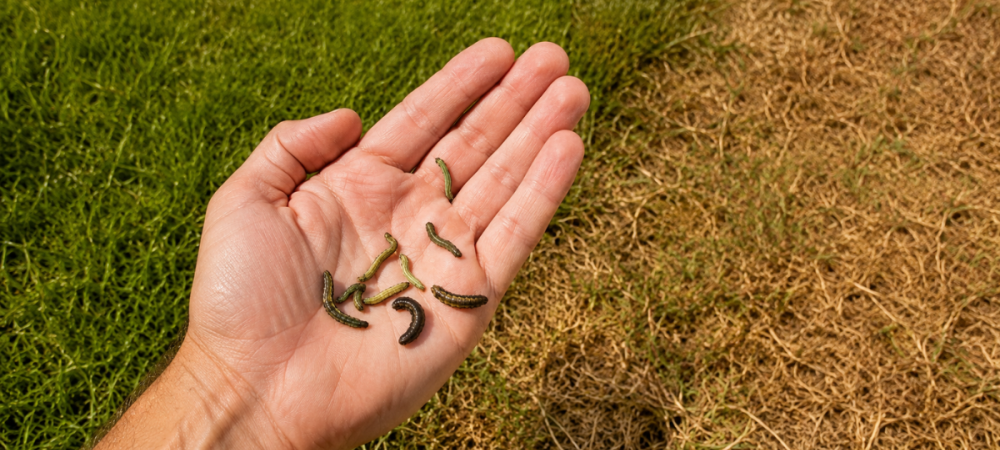
Armyworms are the caterpillar stage of a moth. They get their name from the way large groups uniformly move across a lawn, feeding on grass blades as they go.
Unlike heat stress, which generally develops over time, armyworm damage can seem to appear almost overnight. Once the caterpillars mature, their appetite increases and so can the pace of the damage.
A severe infestation can leave large sections of your yard looking brown, ragged, or nearly stripped of green growth.
Warning Signs of Armyworm Activity
Not every brown patch means you have an insect problem. Midwest lawns also struggle with heat, disease, irrigation issues, or compacted soil this time of year.
The biggest clue is how quickly the lawn changes.
Watch for these common signs of armyworm activity:
- Brown or thinning areas that appear within a day or two
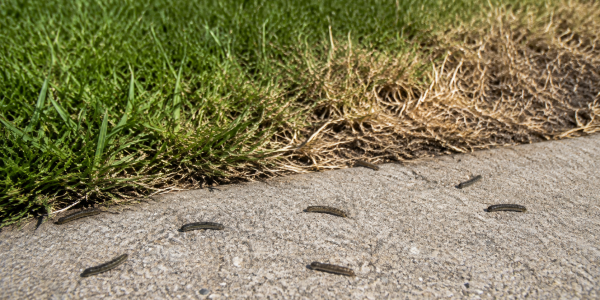
- Damage that appears to move in one direction across the lawn
- Grass blades with ragged, chewed or translucent edges
- Striped caterpillars or green droppings near the soil surface
- A sudden increase in birds feeding on your lawn
Armyworms are often easier to spot during the early morning or evening, when they are more likely to actively feed. Check the grass along the edge of a damaged area and look closely near the soil.
Why Quick Action Matters
Armyworms do their damage while they are in the caterpillar stage. Waiting to see whether the lawn improves on its own can give them more time to feed and move into unaffected areas.
Early identification gives you more options. It can also prevent you from wasting time and money treating the wrong problem. Before assuming the worst, consider how quickly the damage developed and get an accurate diagnosis.

What to Do If You Suspect Armyworms
Every lawn tells a different story. If your lawn has changed dramatically over the past few days, don’t wait and wonder. The sooner we know the root cause, the sooner we can take the right next step.
Avoid applying a treatment before you know what you are dealing with. Email a photo to kansascity@dreamlawn.com or request a free quote. We’ll help identify what is happening and recommend a clear, practical path forward.
Can Your Lawn Recover?
In many cases, yes. Recovery depends on the severity of the damage and the condition of the turf beneath it.
Midwest lawns can also be facing summer heat stress at the same time, so it is important to address the full picture, not just the most visible symptom.
If the crown and root system remain healthy, some grass may recover with proper watering and continued care. More heavily damaged cool-season lawns may need fall aeration, overseeding, or other corrective work to restore density.
We're Here to Help
At DreamLawn, we know every brown patch tells a different story.
Whether it's summer heat stress, disease, or destructive pests like armyworms, our team can help identify what's happening and recommend the right solution for your lawn.
If you've noticed sudden changes in your lawn this week, don't ignore them. A quick inspection today may help prevent more extensive damage tomorrow.
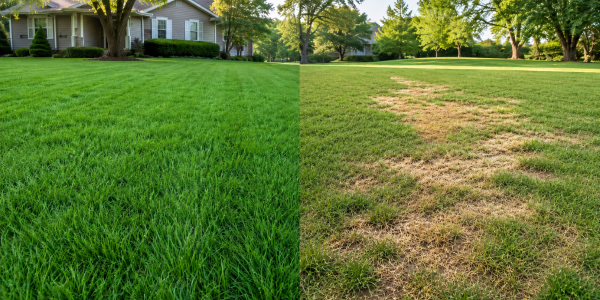
A Brown Patch Is a Clue, Not a Diagnosis
Not sure what you’re seeing? Contact DreamLawn for an expert lawn check.