
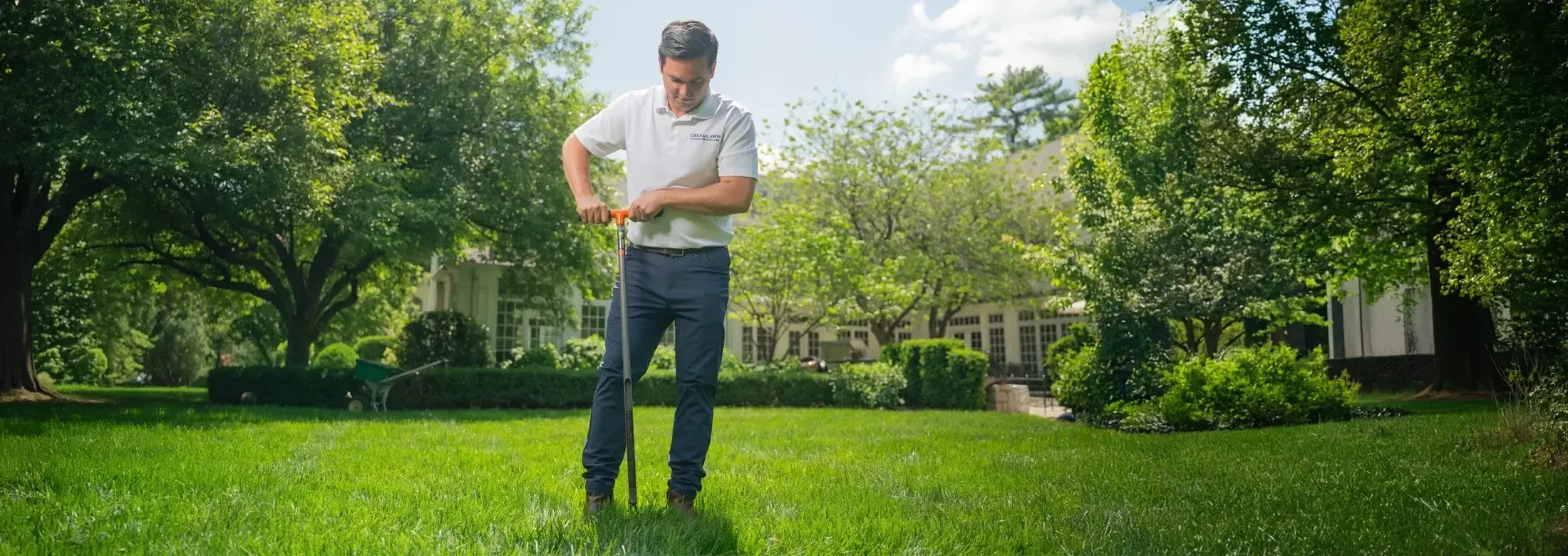
Our biology-based treatments keep your grass thick and healthy — without the harsh chemicals that keep kids and pets off the lawn.
Lawn Care in Valley, NE
If you've ever looked out at your lawn and wondered why it still looks thin, patchy, or full of weeds despite your best efforts, you're not alone. Keeping a healthy, full, green lawn takes more than mowing and watering. It takes knowing your soil, understanding what your grass needs season by season, and getting the timing right on every treatment. Without that foundation, even the most motivated homeowner ends up guessing, and the lawn shows it.
That's where a recurring program makes all the difference. DreamLawn builds each plan around your turf, using science-backed fertilization to feed your grass at the root level and targeted weed control to stop problems before they take over. Every application is timed to your lawn's seasonal needs, so you're not reacting to problems after the fact. You're staying ahead of them.
Here's what's included in our recurring lawn care program in Valley:
- Free lawn assessment
- Soil testing
- Seasonal fertilization
- Pre-emergent weed control
- Optional lime treatment
- Grub control
From the first application in mid-February through mid-December, DreamLawn keeps your lawn on a consistent care schedule, with a personal update from your technician after every visit. You'll always know what was done, what's coming next, and why it matters.

Additional Services in Valley
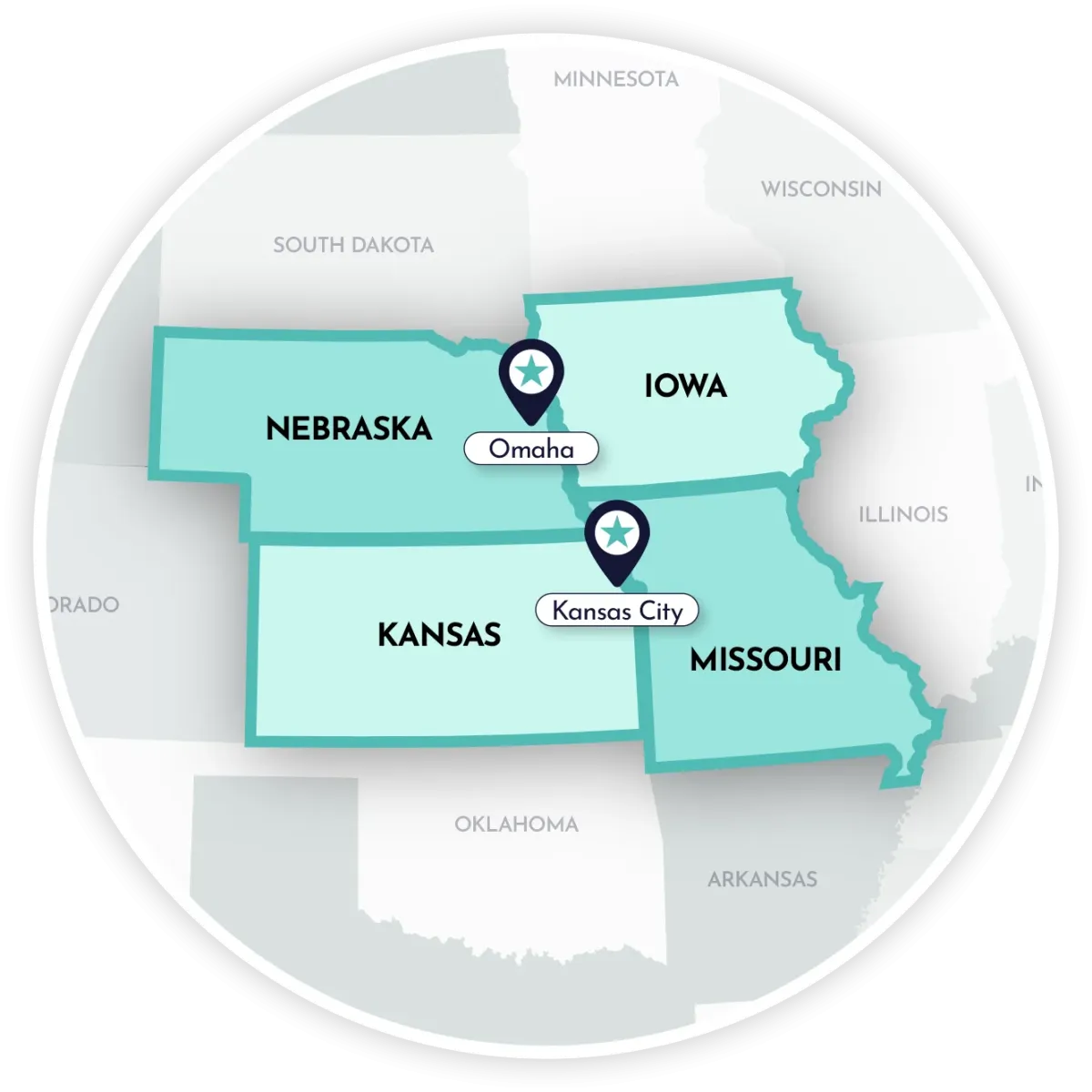
Your Valley Lawn Deserves a Program That Actually Shows Up
Clay soil, summer weed pressure, and grub cycles are not problems you solve with a bag from the hardware store. Lawn Care done right means a structured seasonal program with consistent timing, transparent communication, and applications calibrated to what your turf actually needs from February through December.
Here is how the program works from start to finish:
- You receive a welcome email confirming your program details and schedule before the first visit
- A notification arrives 2 to 3 days before each application so you always know when your technician is coming
- Seasonal fertilization and pre-emergent weed control begin in mid-February, giving crabgrass and broadleaf weeds little room to establish before warm weather hits
- Treatments continue on a 30-day cycle through the season, keeping your lawn on a reliable schedule rather than a reactive one
- Grub control goes down in mid-summer, targeting larvae during the window when treatment is most effective
- Fall aeration and overseeding (available in select packages) addresses soil compaction and thickens turf density ahead of dormancy
- After each visit, your technician sends a personalized message with observations specific to your lawn
- The program closes in mid-December, completing a full treatment calendar for the year
Why DreamLawn Is the Right Choice for Your Valley Lawn
DreamLawn is built around the kind of consistency that actually earns trust: a named program, a predictable schedule, and a technician who communicates directly with you after every visit. There are no vague service windows, no à la carte surprises, and no guessing about what was applied or why. If you have dealt with clay compaction, grub damage, or a national provider that went quiet after the first application, this is a different experience.

Your Neighbors Know Your Lawn Best
When you work with DreamLawn, you're working with a team that lives right here, shops here, and shows up at the same community events you do. That kind of local investment means we actually understand what your lawn is up against, and we respond fast when something needs attention.
Weed Control in Valley
If you've ever pulled a dandelion only to see three more take its place the following week, you already know how exhausting weed control can be on your own. The timing is tricky, the products are confusing, and one missed treatment can set your lawn back an entire season. That cycle gets old fast.
A local, expert-driven program takes all of that off your plate. Instead of guessing which product to use or when to apply it, you get a structured year-round plan built around your lawn's actual needs. Pre-emergent treatments go down before weeds germinate. If something breaks through anyway, retreatments are available so nothing gets ignored. Over time, that consistent approach produces real grass fullness and a yard that stays clean through the whole growing season.
Weed control is built directly into our routine lawn care plans. It is not an add-on or an afterthought. Every plan is structured to keep pressure low from the start, and if a spot needs extra attention between scheduled visits, we handle one-off retreatments too. You stay informed along the way with technician updates after each visit, so you always know exactly what was done and why.
Here is why homeowners in Valley choose DreamLawn for weed control:
- Pre-emergent treatment applied before weeds have a chance to emerge
- Weed control included in every routine lawn care plan
- One-off retreatments available when a spot needs extra attention
- Year-round program with visits every 30 days
- Personalized after-service notes from your technician after each application
- Local team that knows your lawn, not a national call center
- Transparent, per-application pricing with no surprises
Getting ahead of weeds is a whole lot easier when you have a consistent plan and a local team doing the work. Reach out today to get started.
Lawn Fertilization and What Your Grass Is Actually Telling You
Most yards don't struggle because of bad seed or poor watering habits. They struggle because the soil underneath isn't giving the grass what it needs. Healthy turf starts below the surface, where nutrient levels, pH balance, and soil composition either set your lawn up to thrive or quietly work against it season after season.
Getting that balance right isn't guesswork. It takes understanding what your specific grass type needs and how your local climate affects those needs throughout the year. Tall fescue and Kentucky bluegrass, for example, have different nutrient demands, and what works well heading into a dry summer looks very different from what your lawn needs coming out of a hard freeze.
Signs Your Yard May Be Running Low on Key Nutrients
Nutrient deficiencies show up in your grass before most homeowners realize what they're looking at. Catching them early makes a real difference in how your lawn responds to treatment throughout the season.
Watch for these common signs of poor soil nutrition:
- Yellowing grass blades, especially when the discoloration is patchy rather than uniform
- Thin or uneven growth across sections of your yard
- Bare spots that don't seem to fill in even with regular watering
- Weak, shallow roots that pull up easily when turf is lifted
- Grass that looks dull or faded rather than deep green heading into warmer months
Why Soil Nutrition and Timing Work Together in Lawn Care Maintenance
Fertilizing at the wrong time can do more harm than good. Pushing nitrogen into your grass during a summer drought stresses the turf. Skipping a fall application means your grass heads into winter without the reserves it needs to bounce back in spring. A well-timed lawn care maintenance program builds on each application, so the results compound over the course of the year rather than reset.
DreamLawn structures its program around this kind of intentional timing, with treatments spaced roughly every 30 days from mid-February through mid-December to keep your soil and turf in a steady, supported cycle.
Once you understand what's driving the thin patches and the yellow grass, it's a lot easier to see why having the right plan in place, and the right people managing it, makes such a measurable difference in outcomes.
Grub Control in Valley
Grubs are the larval stage of beetles, most commonly Japanese beetles and masked chafers, and they feed on the roots of grass just below the soil surface. In lawns with clay-heavy soil, the damage cycle can be severe because compacted ground holds moisture and warmth at the depth where grubs develop. By the time brown patches appear in late summer, the root system is already gone. What looks like drought stress is often grub damage, and by then, a curative treatment costs more and works less predictably than a preventive one applied at the right time. Grub control fits naturally into a broader seasonal lawn program because the timing aligns with other mid-season applications, and addressing grubs protects the investment you are already making in fertilization and weed control.
Preventive Grub Treatment in Valley
Preventive grub treatments use systemic insecticides such as chlorantraniliprole or imidacloprid, which are applied to the lawn and watered in during late spring to early summer. These products work by targeting young larvae when they are small and actively feeding near the surface, making them far more effective than waiting until visible damage appears. DreamLawn schedules grub treatments during the mid-summer window when conditions in this area align with peak larval activity, giving the product the best chance to work before grubs grow large enough to cause serious root loss.
- Preventive applications timed to the local grub development cycle
- Systemic product options including chlorantraniliprole and imidacloprid
- Treatment coordinated with your existing lawn program to avoid scheduling gaps
- Protection for tall fescue and zoysia turf types common in Valley
- Curative options available when active grub populations are identified mid-season
Grubs are one of the few lawn problems that are significantly easier and less costly to prevent than to fix after the fact. Getting on a scheduled treatment before the window closes is the straightforward way to avoid the brown patch and reseeding costs that follow a grub damage cycle. DreamLawn makes timing simple by building grub control into a structured seasonal program, so nothing gets missed.