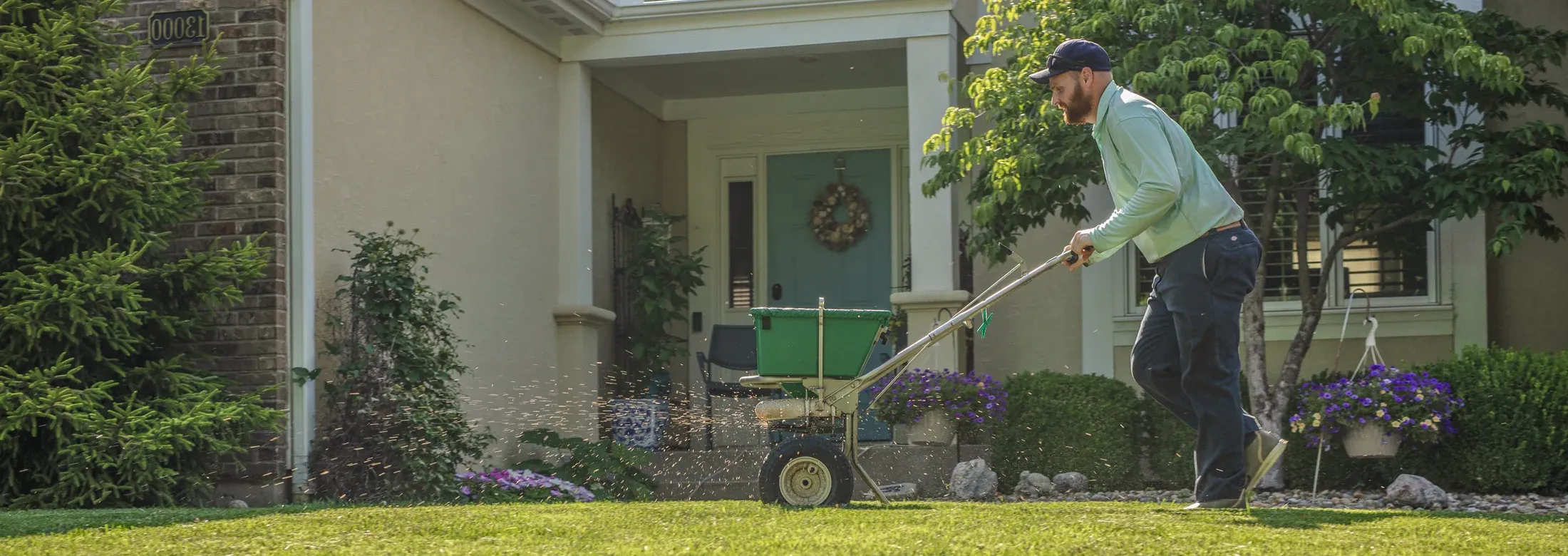
Our aeration and overseeding service relieves compaction, introduces certified seed, and applies starter fertilizer — giving your lawn everything it needs to grow thicker and stronger from the ground up.
Lawn Aeration & Overseeding Service
You've tried watering more, maybe even fertilizing, and your grass still won't cooperate. Bare spots keep showing up, and the turf that does grow looks thin and tired.
A lot of that comes down to compacted soil. When soil gets too dense, grass roots can't get the air, water, and nutrients they need to thrive. Growth stalls, patches spread, and the whole lawn just looks worn down. Core aeration breaks up that compaction, and paired with overseeding and starter fertilization, it gives your grass a real path forward. Both spring and fall are good times to do it, though fall tends to produce the best results.
Here's what you can expect from our service:
- Core aeration that creates thousands of small openings for better root access to air, water, and nutrients
- Blue-Tag Certified grass seed with 0% weeds, matched to your lawn's specific conditions
- Starter fertilizer applied to speed up germination and push deep root growth
- Detailed care instructions are included so you know exactly what to do after we leave
If your grass has been struggling and nothing seems to work, this is the service that actually moves the needle. Get in touch, and let's get your lawn growing the way it should.


Your Lawn Deserves More Than a Quick Fix
Our service uses a proven, three-part process that gives your grass exactly what it needs to grow thicker, stronger, and more resilient. Each step is designed to work together, so you get real, lasting results instead of short-term green-up that fades by midsummer.
Our step-by-step process includes:
- Core Aeration: We pull thousands of small plugs from the soil to relieve compaction, open up airflow, and let water and nutrients reach the root zone where they actually do something.
- Overseeding with Blue-Tag Certified Grass Seed: We apply certified seed matched to your specific turf conditions and local climate. Blue-Tag Certified means zero weed contamination, so every seed counts toward thicker, cleaner grass coverage.
- Starter Fertilization: We finish by applying a starter fertilizer formulated to fuel fast germination and encourage deep, strong root development. We also give you clear care instructions so you know exactly how to protect your results through the critical establishment period.
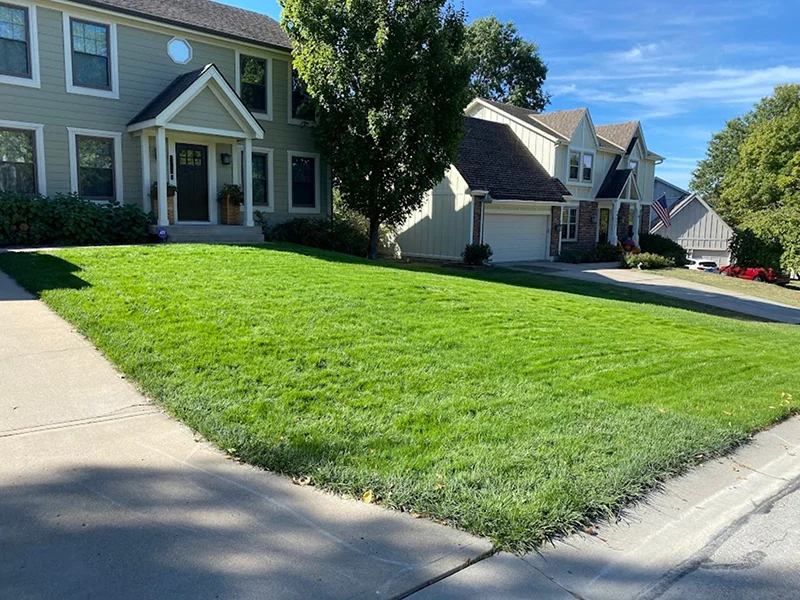
When all three steps work together, the results speak for themselves — thicker turf, deeper roots, and a lawn that holds up through heat, drought, and heavy use. Ready to get started? Contact us to schedule your aeration and seeding service.
We Live Here Too, and That Makes All the Difference
At DreamLawn, our team works and lives right here in this community, showing up at local events and supporting the organizations that keep this area running.
We know this region's conditions and what they mean for your property, so when a problem comes up, we can get to you fast with solutions that actually fit where you are.

Spotting Lawn Trouble Signs Before It's Too Late
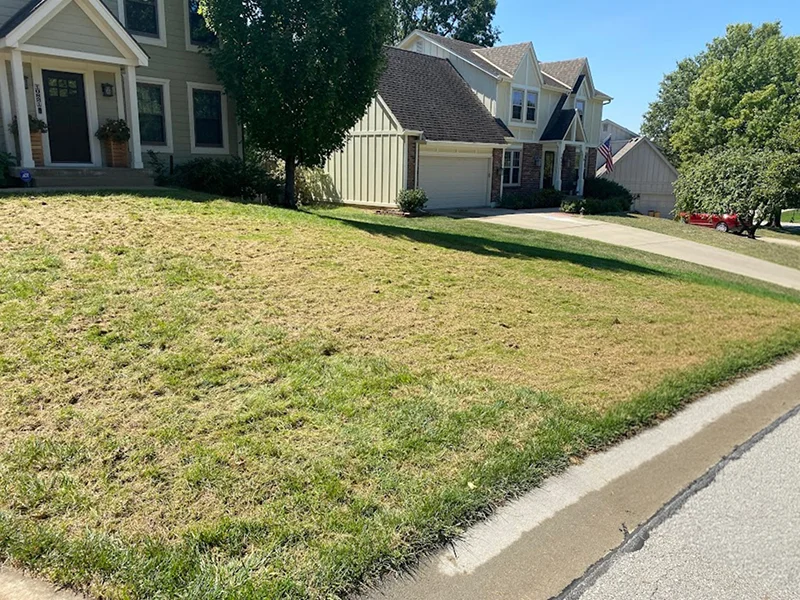
A healthy lawn is the pride of any homeowner, but sometimes our grassy patches start showing signs of distress. Recognizing these indicators early can save you time, money, and a whole lot of headaches down the road.
Keep an eye out for these common lawn trouble signs:
- Patchy or thinning grass areas
- Water pooling on the surface after rain
- Hard, compacted soil that's tough to dig into
- Yellowing or browning grass, even with regular watering
- Increased weed growth taking over your turf
These issues often stem from soil compaction and poor nutrient absorption, which are especially common in our area due to heavy clay soils and the freeze-thaw cycles of harsh winters. Our team of experts is ready to assess your grass and provide tailored solutions to get your lawn back on track. Don't wait for these signs to worsen – a healthy, vibrant lawn is just a phone call away.
How Core Aeration and Seeding Make a Difference
Over time, soil compaction builds up and thatch accumulates, making it harder for your grass to absorb the water, air, and nutrients it needs. Core aeration breaks through that barrier by creating thousands of small holes in the soil, restoring the conditions your lawn needs to actually grow well. Studies show that lawns receiving annual aeration develop up to 30% deeper root systems compared to lawns that go without it.
Why Fall Is the Best Time to Aerate
Fall is the ideal window for core aeration and overseeding. Cooler temperatures and more consistent moisture give newly seeded grass the best chance to establish strong roots before winter sets in. The ground is also still warm enough to support germination, which means the seed actually takes hold rather than sitting dormant. Spring aeration is available too, and it can be a solid option if you missed the fall window or your lawn needs extra attention after a rough winter.
Frequently Asked Questions
Do I need to water my lawn after aeration and seeding?
Yes—consistent watering is one of the most important steps after aeration and seeding. Once the seed is down, it needs moisture to germinate and develop healthy roots. Here's what we typically recommend:
- Immediately after seeding: Lightly water the entire lawn to settle the seed into the soil and moisten the surface.
- Weeks 1–2: Water lightly once or twice a day, keeping the top inch of soil consistently damp—but not soaked. The goal is to keep the seed moist without causing runoff or puddles.
- Weeks 3–4: As the grass begins to sprout and grow, gradually reduce watering frequency but increase the amount of water per session. This encourages deeper root development.
- After 4 weeks: Watering can typically return to a regular lawn schedule (about 1 inch of water per week, including rainfall), depending on weather and grass type.
Skipping or inconsistent watering can lead to poor germination and patchy results, so staying on top of it—especially in the first few weeks—is key to a lush, healthy lawn.
How often should I aerate my lawn?
Most lawns benefit from aeration once a year, especially if they experience heavy foot traffic, clay soil, or signs of compaction or thinning.
Should I aerate before seeding my lawn?
Yes, aerating before seeding is one of the best ways to ensure successful seed germination. Aeration loosens compacted soil and creates small holes or “pockets” that give new grass seed direct contact with the soil—this improves seed-to-soil contact, which is essential for healthy growth. It also allows water, air, and nutrients to reach the root zone more easily, helping both existing and new grass develop strong roots. When paired together, aeration and seeding work hand-in-hand to create a thicker, healthier, and more resilient lawn.
When is the best time to aerate and seed my lawn?
The best time to aerate and seed your lawn depends on the type of grass you have. Seeding outside of these windows can lead to poor germination or weak root development, especially if temperatures are too hot or too cold. For the best results, we also recommend pairing aeration and seeding with proper watering and fertilization tailored to your grass type.
For cool-season grasses (like fescue, Kentucky bluegrass, and ryegrass), the ideal time is early fall (September to October). The soil is still warm, but the air is cooler—perfect conditions for seed germination and root development. Spring (March to early May) is also a viable option, though fall typically yields better long-term results. For warm-season grasses (like Bermuda, zoysia, and centipede grass), the best time is late spring to early summer (May to June), when these grasses are actively growing. Aerating and seeding during this time gives new grass the full growing season to establish.
How do I prepare my landscape for a treatment?
In most cases, little preparation is required. Your technician will communicate any watering or post-treatment instructions specific to your service.
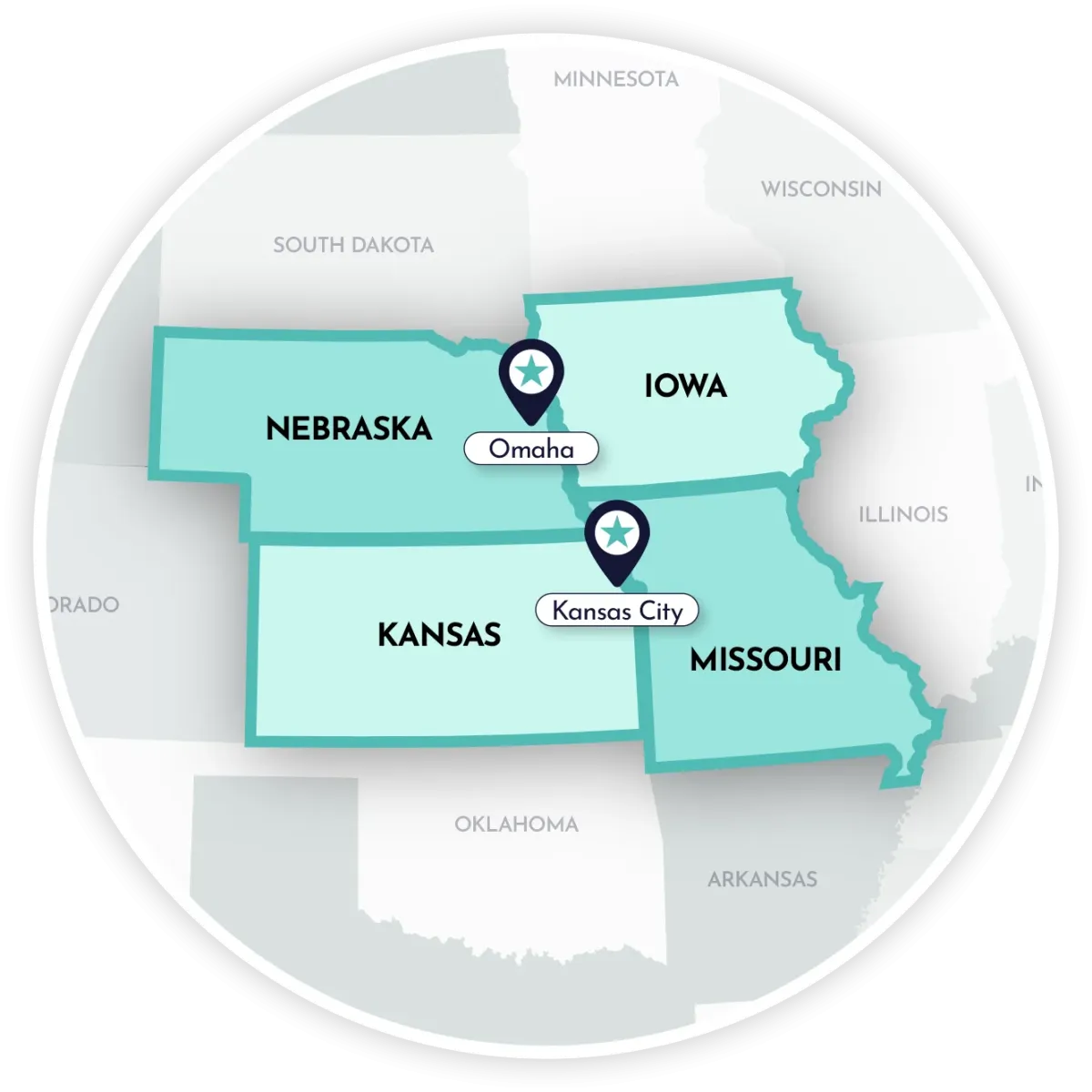
Aeration & Seeding Service Area
DreamLawn provides professional aeration and seeding to homeowners in the cities, towns, and neighborhoods nearby. See if your area is covered below: