
How to Prepare Trees and Shrubs for Winter

Healthy lawns start here, enter your zip code.
Expert tips for protecting roots, maintaining soil moisture, and preparing trees and shrubs for colder Midwest weather.
Cooler nights, shorter days, and the first flashes of fall color can make it seem like your landscape is winding down for the year. Above ground, it is putting on one last show. Below the surface, the work is not finished.
Tree and shrub roots can remain active as plants transition toward dormancy. That makes fall tree and shrub care an important part of winter preparation. What you do now can influence how well your plants handle cold temperatures, dry soil, and harsh winds, as well as how strongly they return in spring.
Matthew Walker, DreamLawn’s Tree & Shrub Specialist, has spent enough time working outdoors to know that the most important part of a landscape is not always the part you can see.
“Trees are honest. The leaves put on the show, but the roots do the work. When fall color starts painting the skyline, I’m already thinking about what’s happening in the soil. The season isn’t over down there.”
Why Fall Tree and Shrub Care Matters
Spring gets most of the attention because that is when landscapes wake up, fill out, and begin growing again. But a healthier spring starts months earlier.
In fall, trees and shrubs can direct more of their resources toward the root system instead of producing flowers, leaves, and new shoots. Strong roots help plants access available water and nutrients while building greater resilience for changing Midwest conditions.
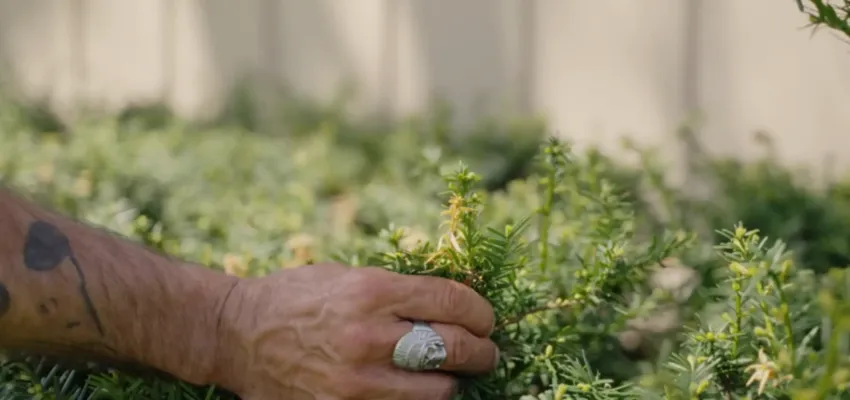
Fall care is especially valuable for:
- Newly planted trees and shrubs
- Plants recovering from summer heat or drought stress
- Evergreens that continue losing moisture through their foliage during winter
- Trees and shrubs growing in compacted or nutrient-poor soil
- Plants showing early signs of stress, discoloration, or dieback
What To Expect From Our Service
The featured seasonal treatment in the fall care plan is DreamLawn’s Fall Root Stimulator, a root-zone treatment within the DreamLawn Tree & Shrub Program.
Applied as trees and shrubs transition toward dormancy, Fall Root Stimulator is designed to support the root system during this important seasonal window. It helps encourage root development, support nutrient uptake, and give plants a stronger foundation before winter. Walker explains:
“A hard winter has a way of finding every weak spot. You do not wait for the ground to freeze before you start preparing. Fall Root Stimulator helps us shore up the root system now, while the plant can still put that support to work.”
The DreamLawn Fall Root Stimulator helps:
- Encourage healthy root development
- Support nutrient uptake
- Strengthen trees and shrubs before winter
- Help plants recover from summer heat and stress
- Prepare the root system for healthy spring growth
Strong roots help plants make better use of available water and nutrients while building greater resilience for cold temperatures, drying winds, and changing Midwest conditions.
How to Water Trees and Shrubs in Fall
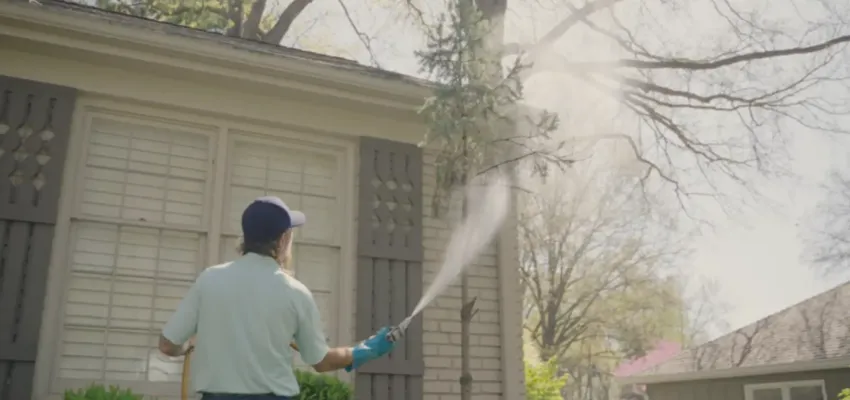
Summer may be ending, but that doesn’t mean it’s time to forget the hose. Trees and shrubs that enter winter with adequate soil moisture are better prepared for cold temperatures, drying winds and frozen ground.
The goal is to water slowly and deeply. A quick spray may wet the surface, but it often does little for the absorbing roots spread throughout the surrounding soil. According to Walker:
“A quick splash just darkens the dirt. It does not do much for the tree. Give it a slow, deep soak that reaches the root zone. Less often, more thoroughly. That is how you make the water count.”
Keep these fall watering tips in mind:
- Apply water around the root zone, not directly against the trunk.
- Give extra attention to newly planted trees and shrubs.
- Monitor evergreens during dry weather because they can continue losing moisture through winter.
- Water when needed until the ground begins to freeze.
- Use a slow stream, soaker hose or another method that allows water to soak into the soil instead of running off.
Don’t assume watering season ends with the first freeze. During a dry winter, watch for mild days when the temperature rises above 38°F and the ground is not frozen. Pull the hose back out and let the water trickle around the root zone for 10 to 15 minutes.
“Yes, it means dragging the hose back out, giving everything a good drink, draining it and putting it away again. It’s a little extra work on a winter day, but your trees will thank you when spring comes around.”
K-State Research and Extension recommends thoroughly soaking the soil around established trees and shrubs before the ground freezes. During a dry winter, watering during a mild stretch when the soil is not frozen can be especially helpful for evergreens. Always disconnect and drain the hose after watering to protect it from freezing temperatures.
Check Soil Moisture Below the Surface
Cooler air can fool us into assuming the soil is holding plenty of moisture. The surface may look damp while the active root zone beneath it is dry.
Before watering, dig down several inches near the root zone and feel the soil. If it is dry, give the area a long, slow drink. If it still feels moist, wait and check again later.
“The ground tells the truth. Dig down a few inches and put your hand in the soil. If it is dry where the roots live, the tree needs water. Do not let a cool morning make the decision for you.”
This simple check helps prevent both underwatering and unnecessary watering. It also gives you a clearer picture of the conditions your trees and shrubs are actually experiencing.
Mulching Trees and Shrubs for Winter
A 2-to-3-inch layer of mulch can help retain soil moisture and insulate the root zone as temperatures drop. It is a simple step that can make a meaningful difference, particularly for younger plants and exposed landscape beds.
Spread mulch across the root zone, but keep it pulled away from trunks and stems. Piling mulch directly against the bark can trap moisture, hide damage, and create favorable conditions for decay, disease, and pest activity. As Walker explains:
“Mulch should protect the roots, not bury the trunk. Trees do not need volcanoes. They need breathing room. Spread it wide, keep it shallow and leave the bark uncovered.”
Think donut, not volcano. The mulch should form a broad protective ring with open space around the trunk.
Normal Fall Color vs. Signs of Tree Stress
Yellow, orange, and red leaves are part of the season. Some leaf drop is also completely normal as days shorten and temperatures cool. However, not every change should be dismissed as fall color.

Watch for these potential signs of tree or shrub stress:
- Excessive or uneven browning
- Leaves dropping much earlier than surrounding plants
- Branch dieback or a thinning canopy
- Unusual discoloration, spots, or powdery coatings
- Sticky residue, webbing or visible insects
- Cracked, sunken or damaged bark
- Sudden changes isolated to one side or section of the plant
These symptoms may be connected to heat stress, poor soil moisture, nutrient deficiencies, insects, disease, or another underlying issue. Catching a concern in fall may provide more options and help prevent a larger problem next spring.
“Spend enough time outside and you learn that nature leaves clues. One odd leaf is not a crisis. A whole section changing early is the landscape trying to tell you something. Take a picture and send it to us. I would rather look at it now than meet a much bigger problem in spring.”
Matthew Walker, DreamLawn Tree & Shrub Specialist
If something does not look right, take a clear photo and send it to your DreamLawn team. A little context can help us determine whether the change is seasonal or worth a closer look.
Your Fall Tree and Shrub Checklist
Before winter settles in:
- Check the soil several inches below the surface.
- Water trees and shrubs slowly and deeply when the root zone is dry.
- Give extra attention to new plantings and evergreens.
- Maintain a 2-to-3-inch layer of mulch.
- Keep mulch away from trunks and stems.
- Watch for unusual discoloration, premature leaf loss, or dieback.
- Give roots the seasonal support they need before the ground freezes.
“Spring gets the applause, but fall does the prep work. Strong roots, steady moisture and a little attention before winter can change the whole picture when the landscape wakes up again.”
Want to give your trees and shrubs stronger support? Learn more about DreamLawn’s Tree & Shrub Program or contact our team for a personalized recommendation.