
What to Do Before and After Aeration and Overseeding
Healthy lawns start here, enter your zip code.
Fresh Seed, Strong Start
Core aeration and overseeding can do a lot for a summer-worn lawn. Aeration relieves compacted soil, overseeding introduces fresh grass, and starter fertilizer supports early growth. But this is not an instant lawn makeover.
The service does the heavy lifting. What you do before and after the appointment helps protect the investment.
“Aeration and overseeding set the lawn up for a comeback, but the work does not stop when our truck pulls away. Steady watering, lighter traffic, and a little patience are what turn fresh seed into stronger turf.”
Ryan Wrigley, DreamLawn Lawn Director
Here is how to prepare your property, care for new seed, manage kids and pets, and know when your lawn is ready for its first mow.
This guide is intended for the cool-season lawns commonly found throughout Kansas City and Omaha. Warm-season grasses follow a different aeration and seeding schedule.
Before Aeration and Overseeding
A little preparation helps our technicians work efficiently and gives the seed a better home to take root.
1. Clear the Lawn
Remove anything that could get in the way of the aerator or prevent even seed coverage. That includes:
- Toys and sports equipment
- Lawn furniture
- Hoses and sprinklers
- Portable fire pits
- Pet waste
- Decorative items
- Temporary fencing
- Fallen branches and heavy leaf cover
You do not need to make the yard look photo-ready. We just need access to the grass.
2. Mark Sprinkler Heads and Hidden Obstacles
Core aerators pull plugs several inches into the soil. Before your appointment, mark anything our technician should avoid. Pay special attention to:
- Irrigation heads
- Shallow irrigation lines
- Invisible pet fencing
- Landscape lighting wires
- Drainage systems
- Septic components
- Shallow cables
- Recently installed sod
Use flags that are easy to see from several feet away. If you are unsure whether something needs to be marked, tell our team before service.
“Good aeration starts before the machine ever hits the lawn. Clear the working area, mark anything underground, and make sure the soil is not baked hard. That preparation helps us pull deeper, cleaner cores across the property.”
Austin Manning, DreamLawn Senior Lawn Technician
3. Give Dry Soil a Little Water
Core aeration works best when the soil is moist but not saturated. Moist soil allows the aerator to pull deeper, more complete plugs. Bone-dry soil can be difficult to penetrate, while muddy soil may compact under equipment.
If the lawn is dry, water it one or two days before your appointment. You are not trying to soak the property. The goal is soil that feels slightly moist and crumbles when handled. If rain is expected, let the weather help. If the property becomes waterlogged, contact DreamLawn for guidance.
4. Mow Lower Than Usual Before Service
Plan to drop your mower a couple of notches lower than its normal setting before your appointment. Shorter existing grass reduces competition for sunlight and helps more seed reach the soil.
There is also a practical reason to mow lower: you should expect to wait approximately two to three weeks before mowing again.
Cut it lower, not bare. Clear away thick clippings so the seed can reach the soil and have a better chance to establish.
5. Check Your Irrigation System
Run your irrigation system or portable sprinklers before your appointment. Look for dry zones, broken sprinkler heads, poor coverage, water spraying onto pavement, and areas where water tends to pool.
If you use portable sprinklers, determine whether you will need multiple sprinklers to cover the lawn evenly. A faucet timer can make the first few weeks much easier to manage.
What to Expect on Service Day
Core aeration removes thousands of small plugs from the lawn. Those openings relieve compaction and help air, water, and nutrients move into the root zone. DreamLawn then applies Root Builder prebiotic starter fertilizer (Blue Sky fertilizer, iron, potassium, and phosphorus) to support early growth.
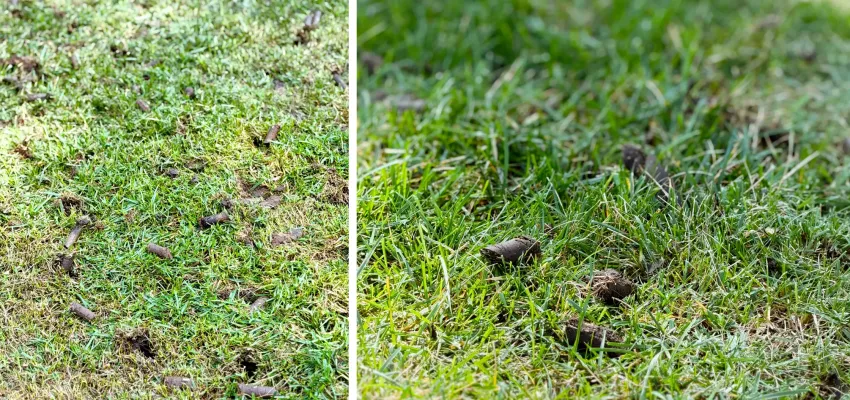
After service, your lawn may look messy. That is normal. You will see soil plugs scattered across the surface, visible seed in thin areas, and small holes throughout the turf. Do not rake, sweep, or collect the plugs. They will gradually break apart and return soil to the lawn. Now the quieter part of the process begins.
After Aeration and Overseeding
New grass seed needs consistent moisture to germinate. The goal is to keep the upper layer of soil moist without creating puddles, runoff, or soggy conditions.
A general watering schedule looks like this:
Day of Service
Water gently until soil is moist about 3 inches deep. Avoid puddles, runoff, and washing seed away. Check the top inch of soil. It should feel moist, not swampy and not completely dry.
Weeks 1, 2 and 3
Water lightly up to two or three times per day (8 a.m. • Noon • 4 p.m.), depending on temperature, wind, rainfall, shade, and soil conditions.
- Rotors: 8 to 10 minutes per zone
- Sprays: 3 to 5 minutes per zone
- Portable Sprinklers: 15 to 20 minutes per area
Keep the seedbed moist, not soggy. Continue consistent watering for 7 to 10 days after the first seedlings appear.
Weeks 4 and 5
Continue monitoring the soil every day. Water once daily for about twice as long. As seedlings emerge, gradually reduce the watering frequency while allowing each watering session to reach slightly deeper. This helps moisture reach developing roots.
After Week 5
Transition toward deeper, less frequent watering, about once weekly. This encourages roots to grow downward rather than staying near the surface. Adjust for rain and moisten soil about 4 inches deep.
Weather can change the plan. A warm, windy day may dry the seedbed quickly. A cool, cloudy day may require less irrigation. Rain may replace a watering session, but a light sprinkle is not always enough to keep the entire seedbed moist.
“There is a sweet spot with new seed. Too dry and it struggles. Too wet and it can wash away. Keep the soil damp and dial it back if you see puddles or runoff.”
Austin Manning, DreamLawn Senior Lawn Technician
Additional Aeration and Overseeding Aftercare Tips
Leave the Soil Plugs Alone
We know. They are not especially attractive. Those scattered plugs are evidence that the aerator reached into the soil and physically removed cores. They typically break down naturally through rain, irrigation, mowing, and everyday weather.
Leaving them in place also returns soil and microorganisms to the turf surface. Resist the urge to rake them up. Your lawn may look rough for a couple of weeks. That temporary mess is part of improving what is happening beneath the grass.
Limit Foot Traffic
Freshly seeded areas need a little breathing room. Repeated traffic can move seed, compact moist soil, and damage tender seedlings. Limit unnecessary walking until the new grass is established enough to mow.
Make a Plan for Kids and Pets
You do not have to shut down family life for a month, but a temporary plan will help. Consider:
- Using your patio or driveway for play
- Visiting a park during the early germination period
- Walking dogs on a leash, creating a designated bathroom area, or rotating which part of the yard pets can access
- Preventing digging in freshly seeded areas
Pet traffic is especially tough on moist soil and young seedlings. Running, digging, and repeated bathroom breaks can disturb seed before roots are established.
You are simply giving new grass a short head start. A little patience now can mean fewer thin spots and a lawn that is better prepared for all the play, paws, and everyday life ahead
Wait Before Mowing
The first mowing is a milestone. It means the new grass is beginning to behave like a lawn. When it is time, make sure the lawn is dry, use a sharp mower blade, and set the mower high.
Do not mow early simply because the established grass looks ready. Giving new seedlings enough time can help prevent uprooting and unnecessary stress. Mow only when dry, clear clumps and leaves, and wait two mowings before weed control.
“An uneven lawn can test your patience, but it usually means the new grass is doing its job. Let those seedlings reach 4 inches before mowing to 3 inches. Use a sharp blade, keep the cut light, and give the young roots time to hold their ground.”
Ryan Wrigley, DreamLawn Lawn Director
Uneven Germination Can Be Normal
Grass seed does not always emerge at the same time. Sunny areas may dry faster. Shaded areas may stay cooler. Slopes may lose moisture more quickly. Different grass varieties also have different germination timelines. Keep following the watering plan rather than assuming a slow area has failed. Patience is part of the process!
Your Aeration and Overseeding Care Checklist
Before Service
- Clear toys, furniture, hoses, and pet waste
- Mark sprinkler heads and hidden obstacles
- Water dry soil one or two days ahead
- Mow according to DreamLawn’s instructions
- Test your irrigation coverage
- Report recent lawn product applications
Immediately After Service
- Begin watering as directed
- Leave soil plugs on the lawn
- Limit foot and pet traffic
- Keep the seedbed moist, not saturated
- Avoid fertilizer and herbicides unless instructed
As Seedlings Appear
- Gradually reduce watering frequency
- Keep leaves from covering new grass
- Continue limiting traffic
- Watch for dry spots in sprinkler coverage
- Wait until seedlings reach mowing height
At the First Mow
- Mow only when the lawn is dry
- Use a sharp blade
- Keep the mower setting high
- Remove no more than one-third of the blade
- Avoid tight turns over young grass
Frequently Asked Questions
Can I walk on my lawn after aeration and overseeding?
Occasional careful access is unlikely to ruin the lawn, but unnecessary traffic should be minimized until the seedlings are ready for mowing.
How long should pets stay off an overseeded lawn?
Limit pet traffic during germination and early establishment. When possible, use a leash or designated area until the new grass has been mowed.
How soon should I water after aeration and overseeding?
Begin watering according to the instructions provided in your after-service care guide. In most cases, the seedbed should be watered promptly and kept consistently moist during germination.
Should I rake up the plugs after core aeration?
No. Leave the soil plugs in place. They will break down naturally and return soil to the turf surface.
What if it rains after my service?
Gentle rain can help keep the seedbed moist. Heavy rain may create runoff or move seed on slopes and bare areas. Check the property afterward and contact DreamLawn if you notice washout, standing water, or significant seed movement.
When can I mow after overseeding?
Wait until the new grass reaches approximately 3 to 4 inches. Mow when the lawn is dry, use a sharp blade, and remove no more than one-third of the grass height.
The Service Is One Day. The Results Take Teamwork.
Core aeration and overseeding give your lawn a valuable opportunity to recover from summer, improve turf density, and establish new growth before winter.
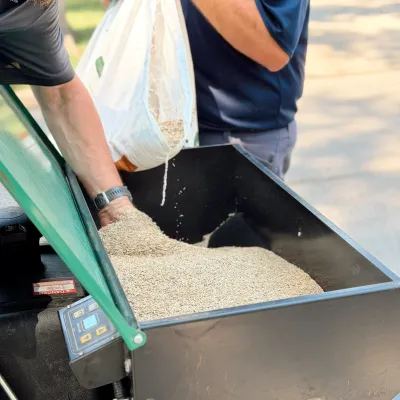
DreamLawn brings the equipment, certified seed, starter fertilizer, and local expertise.
Your part is simpler: prepare the property, water consistently, limit traffic, and give the grass time to grow.
“Great lawns are built through a series of good decisions. Aeration and overseeding are important ones, but consistent aftercare is what helps homeowners get the most from the service.”
Ryan Wrigley, DreamLawn Lawn Director
Request your free quote today and schedule core aeration and overseeding with DreamLawn.