
Why Winterizing Your Sprinkler System Is One of the Smartest Investments Midwest Homeowners Can Make
Healthy lawns start here, enter your zip code.
When homeowners think about protecting their lawn, fertilization, weed control and proper watering usually come to mind. But one of the most important steps happens after the growing season winds down: sprinkler system winterization.
For homeowners across the Midwest, where freezing temperatures are a yearly certainty, irrigation winterization is not just recommended maintenance. It's essential protection for a valuable investment.
“The easiest irrigation repair is the one you never have to make. Winterizing before the first hard freeze is a relatively small investment that can protect your system from some very expensive spring surprises.”
Matt Boots, Irrigation Director
Midwest Winters Are Tough on Irrigation Systems
From Kansas and Missouri to Nebraska, Iowa, and beyond, Midwest winters regularly bring freezing temperatures capable of damaging irrigation systems. The reason is simple: water expands when it freezes.
Water expansion when frozen creates immense pressure inside pipes, valves, fittings, and sprinkler heads. That pressure can lead to cracked pipes, damaged backflow preventers, broken valves, and costly repairs when spring arrives.
Even a small amount of trapped water can cause significant damage. Simply shutting off the water supply isn't enough. If water remains in the system, it can freeze and create problems that often stay hidden underground until startup season.
The Real Cost of Skipping Winterization
Many homeowners view sprinkler winterization as an optional seasonal expense. The numbers suggest otherwise.
- Average residential winterization costs range from $80 to $150.
- Freeze-related repairs can range from $600 to $2,500 or more.
- Properly winterized systems can reduce the risk of component failure by more than 75%.
- Well-maintained systems often last 15 to 20 years, compared to 8 to 10 years for neglected systems.
When viewed through that lens, winterization is less of an expense and more of an insurance policy for your irrigation system.
Have a Self-Draining System? You Still Need to Winterize.
Some homeowners assume that a self-draining irrigation system eliminates the need for professional winterization. Unfortunately, “self-draining” doesn’t necessarily mean every drop of water leaves the system.
Automatic drains, including components commonly known as King Drains, are typically installed at low points in an irrigation system. When water pressure drops, the drain opens and allows residual water to escape. It’s a helpful layer of freeze protection, but it shouldn’t be mistaken for a complete winterization.
Over time, irrigation lines can shift, low spots can develop and drains can become obstructed by sediment or debris. Water may also remain trapped in valves, sprinkler heads, and other components that gravity alone cannot fully clear.
That’s why a professional blowout is still valuable. By working through the system zone by zone with controlled compressed air, an irrigation technician can more thoroughly remove trapped water and reduce the risk of freeze damage.
“We hear ‘I have a self-draining system’ and homeowners understandably think they’re covered. Those drains are helpful, but I wouldn’t bet an entire irrigation system on them. Water can still get trapped where you don’t want it. A proper blowout lets us work through every zone and know we’ve done everything we can to put that system to bed right.”
Elijah Cunningham, Irrigation Coordinator
There’s another reason to keep an eye on automatic drains: they’re mechanical components, and mechanical components can wear out, clog or stop operating as intended. Having the system professionally serviced gives technicians an opportunity to spot potential issues rather than assuming everything underground is working perfectly.
Hidden Damage Often Doesn't Appear Until Spring
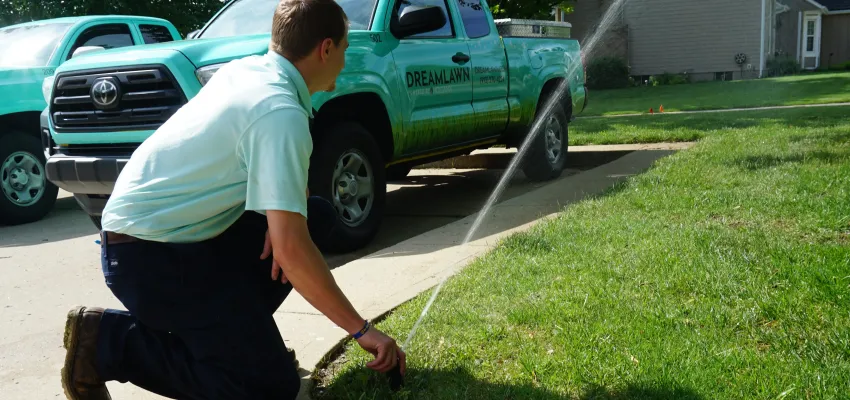
One of the biggest challenges with irrigation freeze damage is that homeowners rarely see it happen. Your system may appear perfectly fine throughout the winter. Then spring startup arrives and suddenly:
- One zone won't activate
- A valve box is flooded
- Sprinkler heads are spraying in the wrong direction
- Water pressure has dropped
- Underground leaks develop
Many of these issues are direct results of freeze damage that occurred months earlier. By the time they're discovered, repairs are often more extensive and more expensive.
Professional Winterization Removes the Guesswork
A proper winterization service goes beyond shutting off the water. Our irrigation technicians use specialized compressors and controlled air pressure to perform a zone-by-zone blowout, ensuring water is removed from pipes, valves, and sprinkler heads before freezing weather arrives. Irrigation systems in freezing climates should be winterized before the first freeze, with blowout methods commonly used to minimize freeze damage.
At DreamLawn, sprinkler winterization includes:
- Air blowout of all irrigation lines
- Zone-by-zone water removal
- Controller shutdown and off-season programming
This process helps protect the components homeowners never see but rely on every day during the growing season.
Protecting More Than Just Your Sprinkler System
For many Midwest homeowners, a healthy lawn is part of a larger investment in curb appeal and property value.
An irrigation issue isn't just a plumbing problem. It can impact:
- Lawn health
- Tree and shrub performance
- Water efficiency
- Seasonal landscaping investments
Proper maintenance and professional irrigation management help ensure systems operate efficiently while avoiding waste.
By protecting your irrigation system through winterization, you're also protecting the lawn you've spent all season maintaining.
Why Midwest Homeowners Choose a One-Team Approach
One of the frustrations homeowners often face is coordinating multiple service providers. Your lawn care company handles fertilization. Another contractor manages irrigation repairs. Someone else performs winterization. When issues arise, responsibility becomes unclear.
DreamLawn takes a different approach.
“Grass will tell you pretty quickly when something isn’t right. Sometimes it needs nutrients. Sometimes it needs water. Sometimes there’s a busted head three inches underground causing the whole headache. When we know both sides of the lawn, we’re not guessing. We can find the problem and get after it.”
Mason Lawson, Irrigation Specialist
By bringing lawn care and irrigation expertise together, DreamLawn can look at your property as a complete system, from the health of your soil and plants to the water that keeps them thriving. That means:
- Simpler scheduling
- A specialized support team
- Faster problem-solving
- More consistent lawn performance
Most importantly, it means your lawn and irrigation system work together rather than being managed separately.
Don't Wait for the First Hard Freeze
The best time to schedule winterization is before freezing temperatures arrive. Waiting until frost is already in the forecast can make scheduling more difficult and increase the risk of damage. Industry guidance consistently recommends winterizing before the season's first hard freeze.
If you've invested in professional lawn care, smart irrigation technology, or a sprinkler system designed to keep your property looking its best, protecting that investment should be part of your annual routine.
Your Lawn Deserves to Be Done Right
A well-maintained irrigation system is the difference between a lawn you're proud of and one you're constantly trying to fix.
From spring startup and in-season repairs to fall winterization and smart sprinkler upgrades, DreamLawn helps Midwest homeowners keep their systems operating efficiently year after year.
Schedule your sprinkler winterization before the first hard freeze and give your irrigation system the protection it deserves.